ちなみに、このGoogle My Maps内にもそれぞれのプロパティについて簡単な説明を記述しているのですが、日本語での書き込みがイマイチなので英語で入力しています。 (日本語での入力自体はできるのですが、Google My Mapsでは日本語サポートが完全ではないので、日本語入力後、改めてGoogle My Mapsで日本語訳設定で表記すると意図しない文章となって変換されてしまったり少々問題ありなのです) 日本語でご覧になりたい皆さまには、Google My Mapsのブラウザを日本語に翻訳設定していただければと思うのですが、それでも若干おかしな日本語表記になる場合ありなので、Google My Mapsに付記した番号と連携させた上、以下にも、2025年8月現在の、チュニジアの9つの世界遺産について、文化遺産と自然遺産に分けた上、登録順で説明を記述しておきます。 (なおここから以降の地図は通常のGoogleマップです)
チュニジアの世界遺産(2025年8月現在、全部で9つのプロパティ)
<文化遺産 8件>
1)チュニス旧市街(Medina of Tunis) 1979年登録 登録基準 (ii)(iii)(v) イスラム建築の宝庫で、モスク、宮殿、市場が密集。都市構造も高い保存性を持つ。 UNESCO Webサイト:https://whc.unesco.org/en/list/36
参考にしました
UNESCO World Heritage Centre
Medina of Tunis
Under the Almohads and the Hafsids, from the 12th to the 16th century, Tunis was considered one of the greatest and wealthiest cities in the Islamic world. Some 700 monuments, including palaces, mosques, mausoleums, ...
2)カルタゴ遺跡(Archaeological Site of Carthage) 1979年登録 登録基準 (ii)(iii)(vi) フェニキア、ローマ、ビザンツなど複数の文明が重なる歴史的都市跡。円形劇場や浴場跡が見られる。 UNESCO Webサイト:https://whc.unesco.org/en/list/37/
参考にしました
UNESCO World Heritage Centre
Archaeological Site of Carthage
Carthage was founded in the 9th century B.C. on the Gulf of Tunis. From the 6th century onwards, it developed into a great trading empire covering much of the Mediterranean and was home to a brilliant civilization. ...
3)エル・ジェムの円形闘技場(Amphitheatre of El Jem) 1979年登録 登録基準 (iv)(vi) ローマ時代の巨大円形闘技場。35,000人を収容でき、北アフリカでも屈指の保存状態を誇る。 UNESCO Webサイト:https://whc.unesco.org/en/list/38
参考にしました
UNESCO World Heritage Centre
Amphitheatre of El Jem
The impressive ruins of the largest colosseum in North Africa, a huge amphitheatre which could hold up to 35,000 spectators, are found in the small village of El Jem. This 3rd-century monument illustrates the ...
4)ケルクアンの古代カルタゴの町とその墓地遺跡(Punic Town of Kerkuane and its Necropolis) 1985年登録 登録基準 (iii) ローマ化の影響を受けずに残ったフェニキア人の都市遺跡。街並みと墓地の保存状態が稀有である。 UNESCO Webサイト:https://whc.unesco.org/en/list/332
参考にしました
UNESCO World Heritage Centre
Punic Town of Kerkuane and its Necropolis
This Phoenician city was probably abandoned during the First Punic War (c. 250 B.C.) and as a result was not rebuilt by the Romans. The remains constitute the only example of a Phoenicio-Punic city to have survived. ...
5)スース旧市街(Medina of Sousse) 1988年登録 登録基準 (iii)(iv)(v) 防衛都市としての特徴を持ち、要塞だったリバト(Ribat)やカスバ(kasbah)、イスラム教礼拝堂のグレートモスクなどを含む商業・宗教の中心地。 UNESCO Webサイト:https://whc.unesco.org/en/list/498
参考にしました
UNESCO World Heritage Centre
Medina of Sousse
Sousse was an important commercial and military port during the Aghlabid period (800–909) and is a typical example of a town dating from the first centuries of Islam. With its kasbah, ramparts, medina (with ...
6)カイルアン(ケルアンKairouan) 1988年登録 登録基準 (i)(ii)(iii)(v)(vi) 北アフリカにおける初期イスラム都市。ウクバ・モスク(Mosque of Uqba)の名称で知られる北アフリカ最古のグランド・モスクなど、宗教・建築両面で重要な役割を担ってきた。 UNESCO Webサイト:https://whc.unesco.org/en/list/499
参考にしました
UNESCO World Heritage Centre
Kairouan
Founded in 670, Kairouan flourished under the Aghlabid dynasty in the 9th century. Despite the transfer of the political capital to Tunis in the 12th century, Kairouan remained the Maghreb's principal holy city. Its ...
7)ドゥッガ/トゥッガ(Dougga / Thugga) 1997年登録 登録基準 (ii)(iii) 北アフリカで最も保存状態の良いローマ都市。神殿、劇場、浴場、公衆施設が高い完全性を誇る。 UNESCO Webサイト:https://whc.unesco.org/en/list/794
参考にしました
UNESCO World Heritage Centre
Dougga / Thugga
Before the Roman annexation of Numidia, the town of Thugga, built on an elevated site overlooking a fertile plain, was the capital of an important Libyco-Punic state. It flourished under Roman and Byzantine rule, ...
8)ジェルバ:島嶼域の入植様式を伝える遺産(Djerba: Testimony to a settlement pattern in an island territory) 2023年登録(最新) 登録基準 (v) 教会、シナゴーグ(ユダヤ教の会堂)、イバード派(イスラム教の一宗派)の要塞化されたモスクなど、多宗教・多文化が共存する島の歴史的パターンを保存。 UNESCO Webサイト:https://whc.unesco.org/en/list/1640
参考にしました
UNESCO World Heritage Centre
Djerba: Testimony to a settlement pattern in an island territory
This serial property is a testimony to a settlement pattern that developed on the island of Djerba around the 9th century CE amidst the semi-dry and water-scarce environment. Low‑density was its key characteristic: ...
<自然遺産 1件>
9)イシュケル国立公園(Ichkeul National Park) 1980年登録 登録基準 (x) 湿地と湖の自然景観が育む豊かな生態系。渡り鳥の重要な休息地としても知られている。 UNESCO Webサイト:https://whc.unesco.org/en/list/8
参考にしました
UNESCO World Heritage Centre
Ichkeul National Park
The Ichkeul lake and wetland are a major stopover point for hundreds of thousands of migrating birds, such as ducks, geese, storks and pink flamingoes, who come to feed and nest there. Ichkeul is the last remaining ...
フランスのノルマンディー地方、パリから西へ70kmほどのジヴェルニー(Giverny)という小さな村にモネの家と庭園があります。 印象派の巨匠クロード・モネ(Claude Monet、1840-1926)はここで43歳から86歳で亡くなる時までを過ごし、大作「睡蓮(Les Nymphéas)」を生み出しました。 映画「ミッドナイト・イン・パリ」は、舞台のほとんどがフランスの首都パリですが、パリ郊外も一部登場します。 先のブログ(https://calm-smile-chain.com/midnight-in-paris/)で概要を記述した通り、映画はジャズ名曲「Si Tu Vois Ma Mère」に乗せて流れる現代の何気ないパリの日常の映像というオープニングで始まるのですが、曲の終了と同時に、物語はこの美しいモネの庭を舞台に幕を開けます。
パリといえばコレ、ですね。 行ったことがなくても、興味がなくても、知らない人はほとんどいないでしょう。 世界遺産「パリのセーヌ河岸(Paris, Banks of the Seine)」の構成資産の一つでもあります。 324mもの高さを誇るこの巨大で芸術的な鉄の塔が、パリの象徴として映画に幾度も現れます。
シャンゼリゼ通りもまた世界遺産「パリのセーヌ河岸」の構成資産の一つで、その名称は誰もが知るであろう有名な大通り。 エトワール凱旋門(Arc de triomphe de l’Étoile)からコンコルド広場(Place de la Concorde)まで全長約2.5kmに渡る緩やかな坂道の美しいマロニエ並木からなる通りで、老舗ブティックやレストラン、カフェなどで賑わっています。 なお、コンコルド広場は世界遺産「パリのセーヌ河岸」の構成資産であるものの、エトワール凱旋門は構成資産となっていません。 ”凱旋門”といえば、エトワール凱旋門からコンコルド広場を挟んで対極に位置するカルーゼル凱旋門(Arc de triomphe du Carrousel)が「パリのセーヌ河岸」の構成資産となっています。
パリから約20km南西に位置するフランス北部のイル=ド=フランス地域圏(Île-de-France)のコミューン(基礎自治体)であるヴェルサイユにある壮麗な宮殿で、世界遺産「ヴェルサイユの宮殿と庭園(Palace and Park of Versailles)」として登録されています。 映画の前半で、主人公のギルとフィアンセのイネズ、そしてたまたまパリで会った友人夫婦が、4人で連れ立ってヴェルサイユ宮殿の庭園を歩くシーンがあり、その広大さと美しさを見て取ることができます。
19世紀の当初はワインの貯蔵庫として使用されていましたが、その後、所有者のジャン=ポール・ファヴァン(Jean-Paul Favand)氏によってコレクションされたメリーゴーランドの乗り物やアーケードゲームなど、遊園地のオブジェを集めた私立博物館としてオープンしました。 映画ではギルが過去の時代へと3度目にタイムスリップする場所で、F・スコット・フィッツジェラルド(F. Scott Fitzgerald、1896-1940)が主催するパーティー会場として描かれていますが、今も見学可能で100年以上前の遊具を体験することができるという大人も遊んで楽しめる博物館です。
フランスを代表する美しい川で、全長777キロメートルに及び首都パリを流れます。 セーヌ川の河岸のうち、シュリー橋(Pont de Sully)からイエナ橋(Pont d’Iéna)までのおよそ8kmほどが、すでに述べている通りの世界遺産「パリのセーヌ河岸(Paris, Banks of the Seine)」として登録対象とされています。 映画には何度も登場するのですが、パリの美しい街並みを反映する鏡のような存在であるこの河岸が、映画の終盤で夜にライトアップされて映し出された景色が特に幻想的です。
“パリ発祥の地”とも称されるシテ島(Île de la Cité)に建つゴシック様式の大聖堂で、その美しい建築や彫刻、ステンドグラスなどから美術史上でも重要な位置付けとされています。 世界遺産「パリのセーヌ河岸(Paris, Banks of the Seine)」の構成資産の一つでもありますが、2019年の4月に火災が発生し尖塔が焼け落ちた事件は記憶に新しく、今も修復が続けられています。 映画「ミッドナイト・イン・パリ」が制作されたのは2011年のこと。当時の姿を拝見してみたかったものです。
ムーラン・ルージュはフランス語で「赤い風車」という意味で、パリ北部のモンマルトルにある世界的に有名なカバレット劇場(キャバレー)です。 1889年に開業し、特にモダンなカンカンダンスのショーで知られ、見事なエンターテイメントで多くの人々を魅了してきました。 映画では、ギルがアドリアナと一緒に1920年代からさらにさかのぼってベル・エッポクの時代へとタイムスリップすることとなり、アンリ・ド・トゥールーズ=ロートレック(Henri de Toulouse-Lautrec、1864-1901)とここで出会います。
1900年のパリ万国博覧会に際して建設されたセーヌ川に架かる橋で、世界遺産「パリのセーヌ河岸(Paris, Banks of the Seine)」の構成資産の一つです。 映画のラストシーンで登場するのがこの橋で、ギルがとある女性と再会します。 雨が滴りキラキラと輝く情緒あるパリの風景、物語の流れにも思わず頷いてしまうシチュエーションで、ホッと和むエンディングに静かで穏やかな感動を覚えます。
コール・ポーター(Cole Porter、1891-1964) アメリカの作曲家・作詞家で、1910年代後半から1920年代後半にかけてパリに在住していました。彼の曲は数多くのミュージカルや映画で使われ、ジャズのスタンダードとしても愛されています。 映画では、主人公ギルがタイムスリップしたばかりの場面で訪れたパーティー会場で、コール・ポーターがピアノを弾きながら名曲「Let’s Do it, Let’s Fall in Love」披露しています。
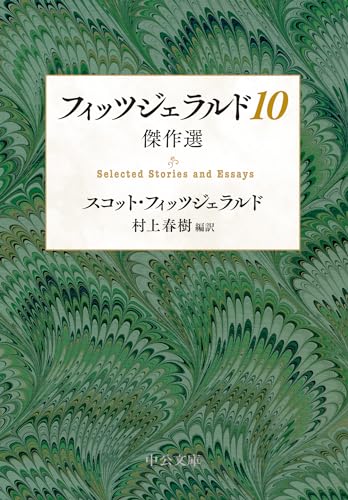
F・スコット・フィッツジェラルド(F. Scott Fitzgerald、1896-1940) アメリカ文学の象徴的な作家で、ゼルダと結婚した同年の1920年に処女長編「楽園のこちら側」が全米ベストセラーになったことや、1974年にロバート・レッドフォード主演、2013年にはレオナルド・ディカプリオが主演で映画化された「華麗なるギャツビー」などの作品で知られています。1924年から1930年まで、ゼルダと娘とともにフランスに移住しました。 映画では、過去にタイムスリップしてしまったことにまだ気がつけていないギルが、F・スコット・フィッツジェラルドから「このパーティーのホストはジャンコ・クトーだ」と聞き、「冗談がきつい」と返すのですが、フィッツジェラルド夫妻はギルがつまらながっていると勘違いし、他の場所へと連れ出します。
☆セーヌ川(Seine River) フランス北部を流れ、首都パリを通過してイギリス海峡に注ぐ河川。 フランス国内で最も重要な河川の一つで、パリ市内にはセーヌ川に架かる美しい橋や観光名所が点在し、「パリのセーヌ河岸(Paris, Banks of the Seine)」として世界遺産に登録されています。
☆ロワール川(Loire River) フランス最長の河川で、フランス中部を流れています。 美しい自然が広がる風景と多くの歴史的な城が点在しており、「シュリー=シュル=ロワールとシャロンヌ間のロワール渓谷(The Loire Valley between Sully-sur-Loire and Chalonnes)」として世界遺産に登録され、ブドウ畑が広がる地域です。
☆ガロンヌ川(Garonne River) フランス南部を流れ、ピレネー山脈に源を発して大西洋に注ぎます。 フランス南西部の中心都市である港町で世界的なワインの産地ボルドーや、赤レンガ造りの建物が並び「バラ色の街」とも呼ばれるトゥールーズなどの都市がこの川の流域に位置し、商業や農業に利用されています。 ボルドー・リューヌ港(Bordeaux, Port of the Moon)もまた世界遺産として登録されており、この港の名「リューヌ」は、湾曲するガロンヌ河岸に発達した町の形状に由来し、フランス語で「月」を意味します。
私が取り上げたのは、一般的にもよく知られている、「プエルト・プリンセサ地下河川国立公園(Puerto Princesa Subterranean River National Park)」と「フィリピン・コルディリェーラの棚田群(Rice Terraces of the Philippine Cordilleras)」。
パワラン島中央部の港町プエルト・プリセンサの北にセント・ポール山地があり、その地下を流れるのがプエルト・プリンセサ地下河川。 自然の宝庫としての価値を持つ世界遺産として1999年に登録された「プエルト・プリンセサ地下河川国立公園(Puerto Princesa Subterranean River National Park)」は、8.2mにも渡る世界最大の地下河川を有し、壮大な石灰岩の洞窟内を流れる清澄な水で満たされ、天井から吊り下げられた美しい鍾乳石や岩の形状が、訪れる人々を魅了するのだそうです。
次に、世界遺産として1995年に登録された「フィリピン・コルディリェーラの棚田群(Rice Terraces of the Philippine Cordilleras)」について。 こちらは、首都マニラを抱えるフィリピン諸島最大の島であるルソン島の北部に位置するバナウェ村から広がる美しい棚田で、その景観は「天国への階段」とも呼ばれています。 地元の農耕山岳民族イフガオ族(Ifugao)によって約2,000年以上にわたって築かれてきたこの棚田を伸ばしたら、なんと地球半周分の長さになるほどだそうで、棚田地帯の規模は世界最大級を誇ると言います。
一つは、世界遺産として1999年に登録された「ビガンの歴史地区(Historic City of Vigan)」。 フィリピンのルソン島北部に位置する都市ビガンは、スペイン植民地時代からの歴史的な建築物と美しい街並みが広がる魅力的な場所で、「カレサ」と呼ばれる馬車に乗って、石畳の道やバロック様式、ネオゴシック様式など、多様な建築様式を持つ建物が点在する歴史的な通りを巡ることができるのだそうです。
The Villa Adriana (at Tivoli, near Rome) is an exceptional complex of classical buildings created in the 2nd century A.D. by the Roman emperor Hadrian. It combines the best elements of the architectural heritage of ...
2.ナミビア:トゥウェイフルフォンテーン(Republic of Namibia:Twyfelfontein) [自然遺産として2007年に登録]
Twyfelfontein or /Ui-//aes has one of the largest concentrations of petroglyphs, i.e. rock engravings in Africa. Most of these well-preserved engravings represent rhinoceros, . The site also includes six ...
3.チェコ:プラハの歴史地区(Czech Republic:Historic Centre of Prague) [文化遺産として1992年に登録/2012年に範囲変更]
Built between the 11th and 18th centuries, the Old Town, the Lesser Town and the New Town speak of the great architectural and cultural influence enjoyed by this city since the Middle Ages. The many magnificent ...
4.インド:ファテープル・シークリー(Republic of India:Fatehpur Sikri) [文化遺産として1986年に登録]
Built during the second half of the 16th century by the Emperor Akbar, Fatehpur Sikri (the City of Victory) was the capital of the Mughal Empire for only some 10 years. The complex of monuments and temples, all in a ...
5.トルコ:イスタンブール歴史地区(Republic of Turkey:Historic Areas of Istanbul) [文化遺産として1985年に登録]
With its strategic location on the Bosphorus peninsula between the Balkans and Anatolia, the Black Sea and the Mediterranean, Istanbul has been associated with major political, religious and artistic events for more ...
6.エジプト:メンフィスのピラミッド地帯(Arab Republic of Egypt:Memphis and its Necropolis – the Pyramid Fields from Giza to Dahshur) [文化遺産として1979年に登録]
Memphis and its Necropolis – the Pyramid Fields from Giza to Dahshur
The capital of the Old Kingdom of Egypt has some extraordinary funerary monuments, including rock tombs, ornate mastabas, temples and pyramids. In ancient times, the site was considered one of the Seven Wonders of ...
7.中国:万里の長城(People’s Republic of China:The Great Wall) [文化遺産として1987年に登録]
In c. 220 B.C., under Qin Shi Huang, sections of earlier fortifications were joined together to form a united defence system against invasions from the north. Construction continued up to the Ming dynasty ...
8.カンボジア:アンコールの遺跡群(Kingdom of Cambodia:Angkor) [文化遺産として1992年に登録]
Angkor is one of the most important archaeological sites in South-East Asia. Stretching over some 400 km2, including forested area, Angkor Archaeological Park contains the magnificent remains of the different ...
9.イタリア:ローマ歴史地区と教皇領、サン・パオロ・フオーリ・レ・ムーラ大聖堂(Repubblica Italiana:Historic Centre of Rome, the Properties of the Holy See in that City Enjoying Extraterritorial Rights and San Paolo Fuori le Mura) [文化遺産として1980年に登録/1990年に範囲拡大および2015年に範囲変更]
Historic Centre of Rome, the Properties of the Holy See in that City Enjoying Extraterritorial Rights and San Paolo Fuori le Mura
Founded, according to legend, by Romulus and Remus in 753 BC, Rome was first the centre of the Roman Republic, then of the Roman Empire, and it became the capital of the Christian world in the 4th century. The World ...
10.フランス:パリのセーヌ河岸(French Republic:Paris, Banks of the Seine) [文化遺産として1991年に登録]
From the Louvre to the Eiffel Tower, from the Place de la Concorde to the Grand and Petit Palais, the evolution of Paris and its history can be seen from the River Seine. The Cathedral of Notre-Dame and the Sainte ...
11.アメリカ:自由の女神(United States of America:Statue of Liberty) [文化遺産として1984年に登録]
Made in Paris by the French sculptor Bartholdi, in collaboration with Gustave Eiffel (who was responsible for the steel framework), this towering monument to liberty was a gift from France on the centenary of ...
12.インド:アーグラ城(Republic of India:Agra Fort) [文化遺産として1983年に登録]
Near the gardens of the Taj Mahal stands the important 16th-century Mughal monument known as the Red Fort of Agra. This powerful fortress of red sandstone encompasses, within its 2.5-km-long enclosure walls, the ...
13.インド:タージ・マハル(Republic of India:Taj Mahal) [文化遺産として1983年に登録]
An immense mausoleum of white marble, built in Agra between 1631 and 1648 by order of the Mughal emperor Shah Jahan in memory of his favourite wife, the Taj Mahal is the jewel of Muslim art in India and one of the ...
ここ数年、政府をはじめ企業においても、“ダイバーシティ(diversity:多様性を尊重する環境/Diversity and Inclusion:個々の違いを受け入れ、認め合い、いかしていくこと)への転換”を声高に言われるようになりましたが、こんな時代だからこそ、「みんなと同じである必要はない」ということや、それぞれの「自分の人生は自分で生きてく」という「個を尊重する」こと、新たな社会の実現への可能性が広がる「多様性を育む社会」の構築とはどういったことなのか、一人でも多くの人が意識できるようになることが重要ではないかと思います。